
Destination · Madagascar
Madagascar - Turtle Rehabilitation
Overview
Madagascar is a treasure of marine biodiversity, boasting some of the most unique and vibrant ecosystems on the planet. Surrounded by the Indian Ocean, under the waves of its beautiful ocean lives colorful coral reefs, extensive seagrass beds, and a wide variety of marine species. The island's marine environments are home to numerous endangered species, including several types of sea turtles, making it a critical area for global conservation efforts.
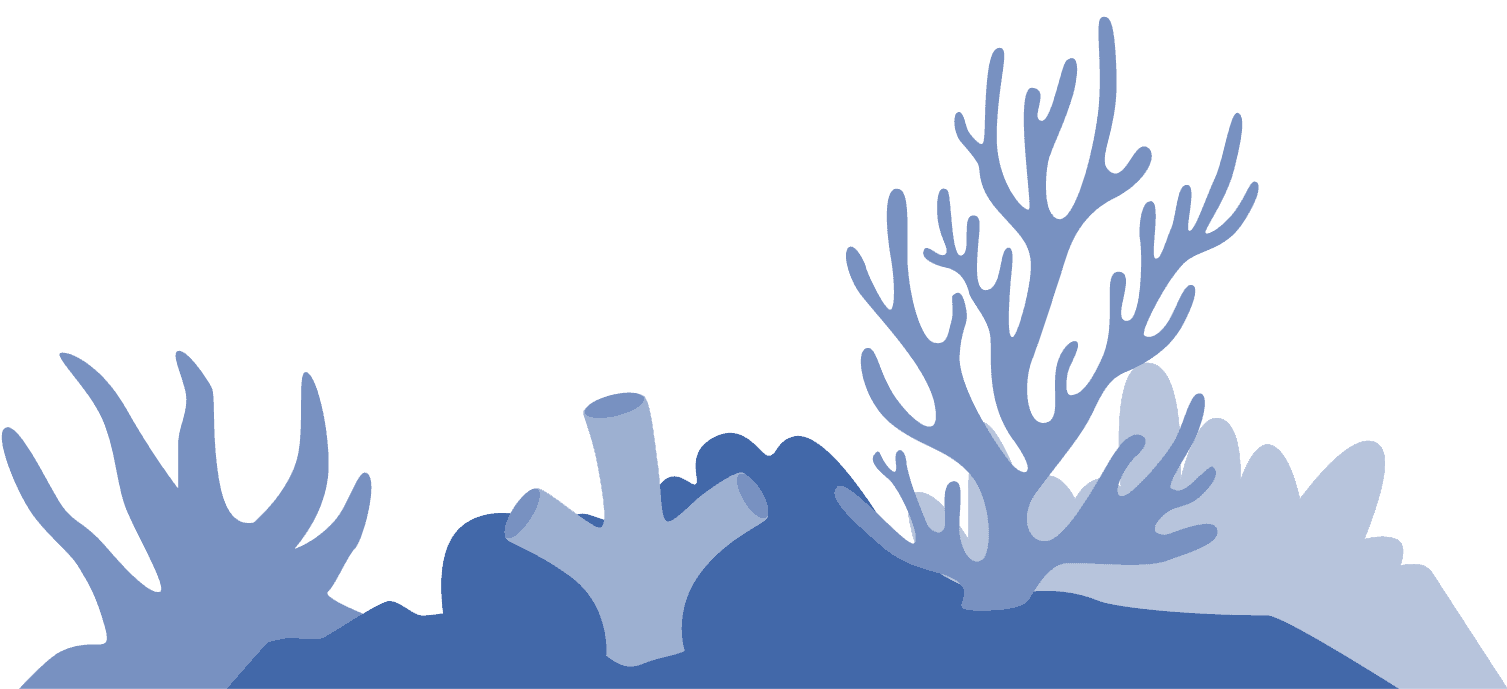
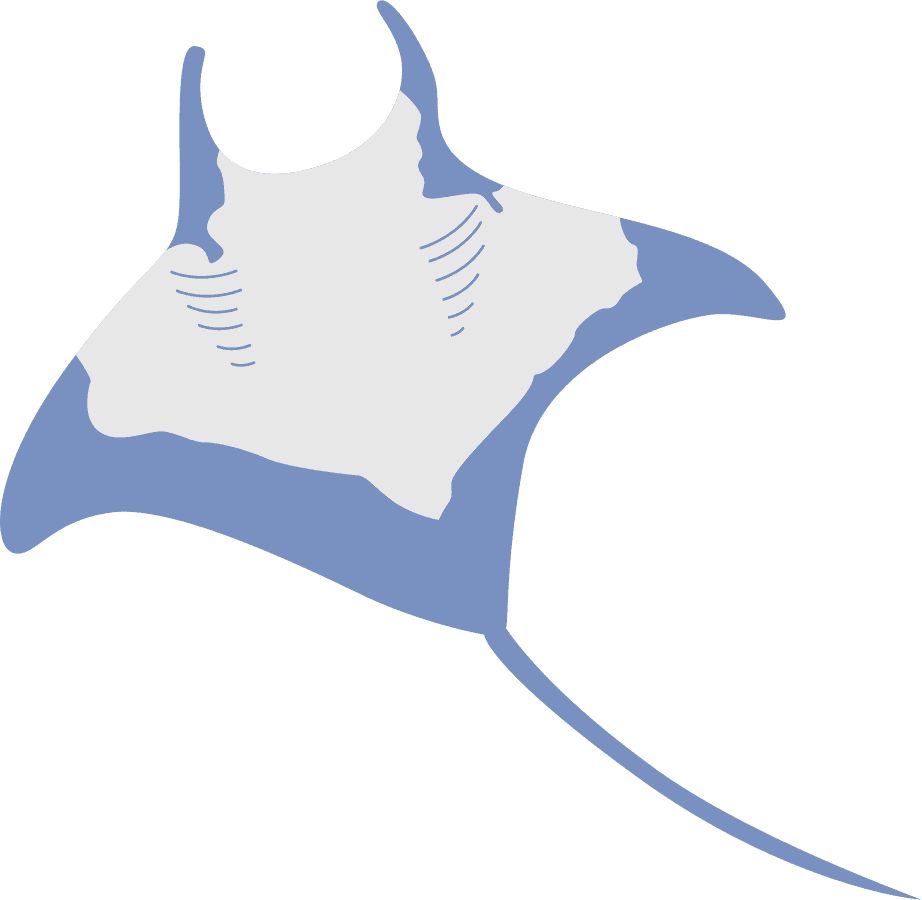
Madagascar's marine ecosystems boast an impressive array of marine species, including endangered sea turtles such as Hawksbill and Green turtles, Humpback whales and Spinner dolphins, diverse shark and ray species including Whale sharks and Manta rays. The island's coral reefs are among the most biodiverse in the world, supporting an abundance of fish, invertebrates, and coral species. Additionally, extensive seagrass meadows and mangrove forests provide crucial habitats for various marine organisms, contributing to the overall richness of Madagascar's marine environment. Fishing, tourism, and coastal protection are all integral to the well-being of the island's inhabitants. On the other hand due to its rich marine life and unique ecosystems, Madagascar plays a crucial role in the global efforts to maintain marine biodiversity.
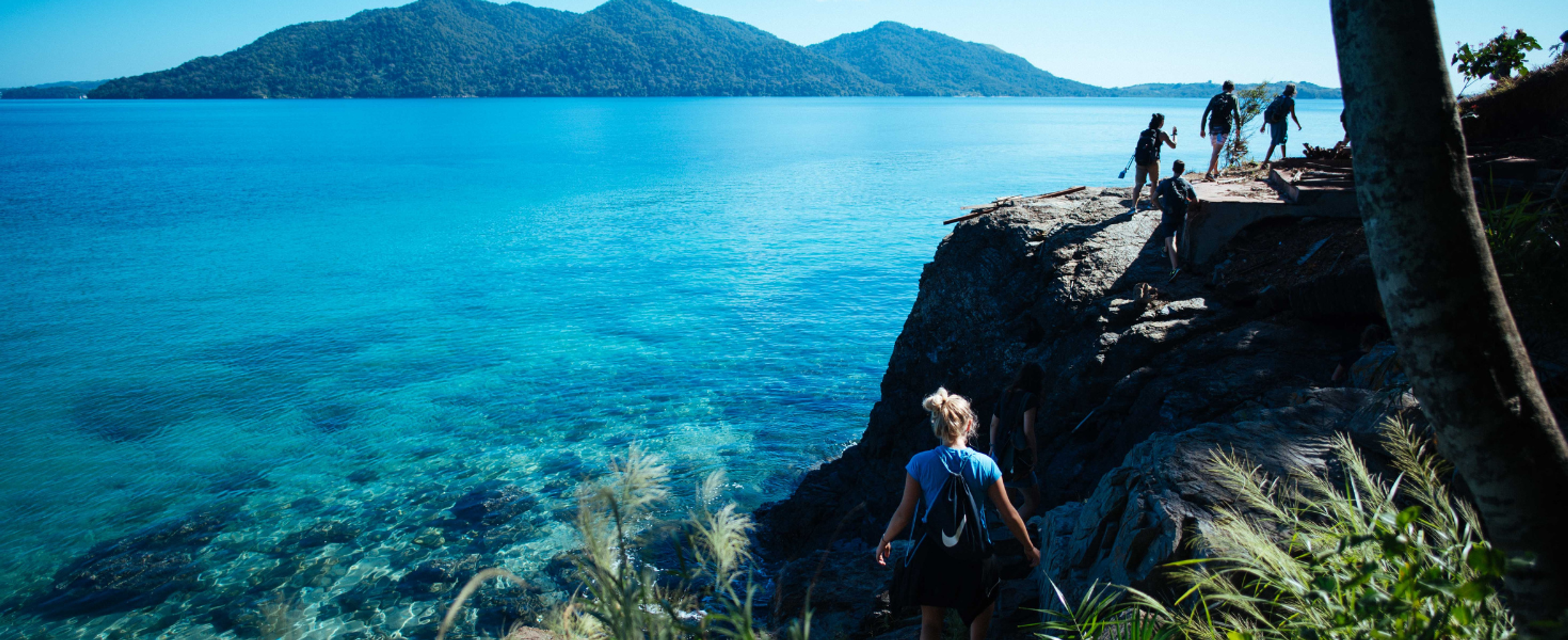
The MRCI Turtle Monitoring Program, based on Nosy Komba Island in Madagascar, focuses on conserving sea turtles through extensive research and community engagement. Volunteers assist in activities such as nesting beach surveys, seagrass health assessments, and community education. The program aims to enhance the protection of endangered turtle species like Green and Hawksbill turtles while fostering sustainable conservation practices.
Program Details
Activities & Training
Participants engage in various conservation efforts, including daily and nighttime surveys to monitor turtle activities and nesting behavior. These surveys involve identifying species, recording environmental factors, and even handling turtles during data collection under strict protocols. Other activities include seagrass snorkel surveys to analyze feeding grounds, beach clean-ups to combat pollution, and constructing eco-bricks from collected waste for local projects. Volunteers also receive training in turtle species identification, track analysis, and proper animal handling techniques.
The program emphasizes community involvement by teaching locals about environmental conservation and integrating them into sustainability efforts. Additionally, participants are introduced to Malagasy culture through bi-weekly language lessons and involvement in activities like crafting bamboo straws to replace single-use plastics. Volunteers gain hands-on experience in marine research and conservation, making a meaningful contribution to protecting Madagascar’s marine biodiversity.
Why Participate
This program offers a unique opportunity to make a tangible impact on marine conservation while experiencing Madagascar's rich culture and natural beauty. Volunteers contribute to vital research in an under-studied region, playing a key role in protecting endangered species and their habitats. The hands-on activities, such as conducting turtle watches, collecting ecological data, and engaging in sustainable community projects, provide invaluable skills and experiences.
Moreover, the program fosters personal growth, teamwork, and an understanding of global environmental challenges. Volunteers not only gain knowledge about marine ecosystems but also become ambassadors for conservation, equipped to inspire change beyond their time in Madagascar.
Available Activities
Conservation
Diving Courses*
Other*



What to see?

Included/Excluded
Included
- 24/7 support throughout the program
- Accommodation while on program
- Equipment during the program
- Assistance with travel arrangements
- Assistance with selecting travel insurance
- Assistance with booking flights
- Three meals per day, seven days per week on camp
- Supervision and training by staff
- Airport pick-up in Nosy Be
- Transportation to program sites
Excluded
Location
What is around?
On the island of Nosy Komba, explore the village of Ampangorina for local shops selling textiles and arts and crafts. You can also pick up some vanilla extract at the local markets. Savour the freshly caught seafood at one of the local restaurants, and enjoy drinks at the local bars on the beach. Go kayaking in Ampangorina village, or take a boat tour around Nosy Komba and see other villages located on the island.
A must-see destination is the Lokobe Strict Reserve, located on the island of Nosy Be, where you can spot black, Hawk’s sportive and mouse lemurs and, if you are lucky, a leaf-tailed gecko, only found in the Nosy Komba area. Lokobe is also home to the Madagascar pigmy kingfisher, panther chameleons, endemic frogs and snakes.
Visit the remote Mamoko island, a small island with a big personality and tradition to match. This island still has a monarchy in place, with a Queen as head of the population. You can tour the island’s village (by paying a fee) and gaze at the island’s stars, the lemurs living amidst the villagers, and a 100-year-old tortoise.
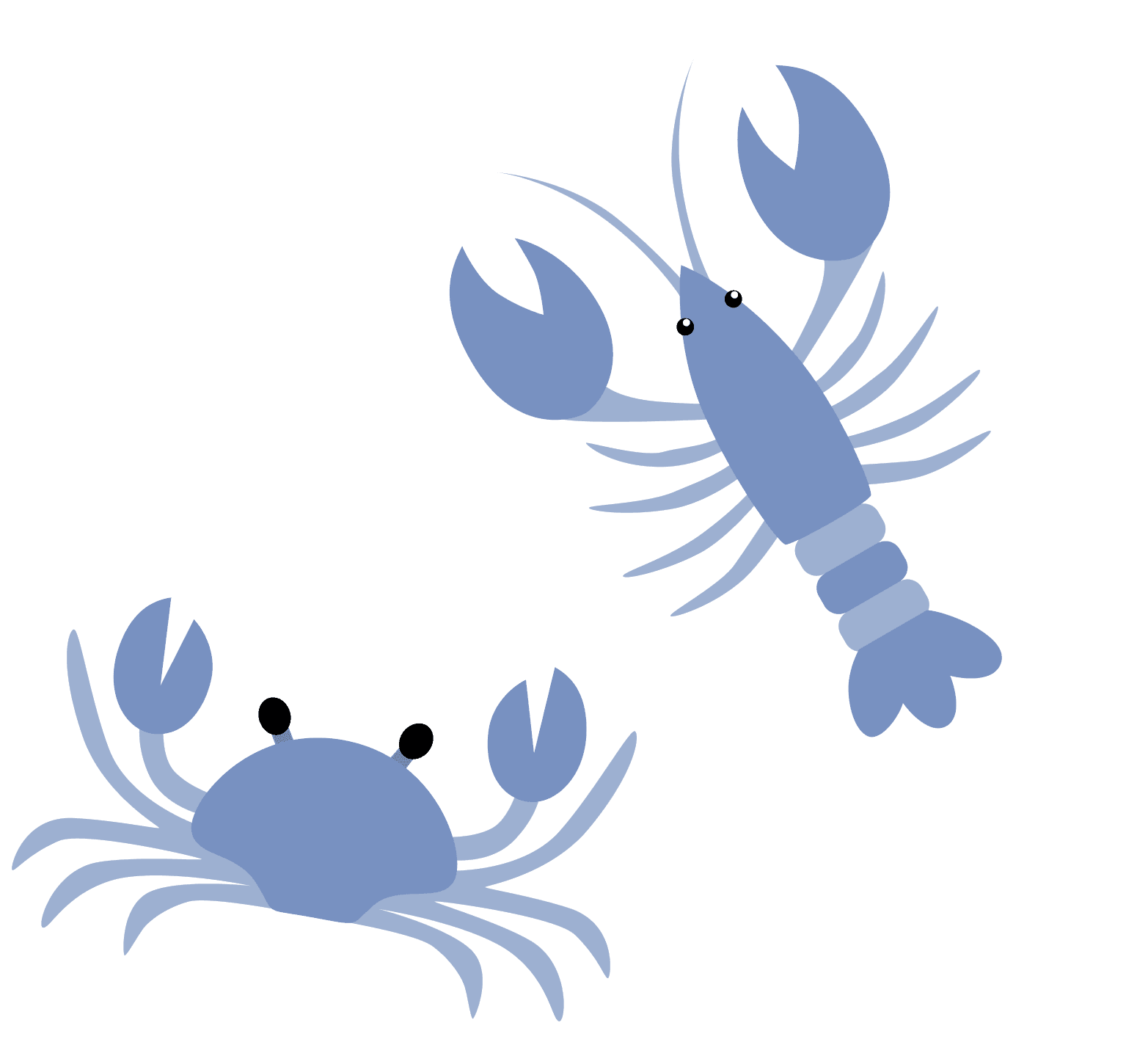
Visit the Nosy Iranja Archipelago, made up of two small islets, Nosy Iranja Be and Nosy Iranja Kely, permanently tethered to one another by a string of sand at low tide. Nosy Iranja Be, the biggest of the two, hosts a small fishermen village and a suggestive abandoned lighthouse designed by Gustav Eiffel. Nosy Iranja Kely’s white beaches are important nesting grounds for hawksbill and green sea turtles, and hidden in the verdant vegetation are numerous bird species and giant coconut crabs.
Visit the villages along the Bararahamay river, famous for their blacksmiths, boat builders and their wild honey. Here you may also spot the rare Madagascar fish eagle.
How to get there?
You should aim to arrive in Nosy Be before 3pm on the Sunday before the start date in order to be transferred via boat to Turtle Cove before the start of the program on Monday. If you are arriving on Saturday or earlier, you will need to arrive prior to 1pm in order to be transferred to camp that day. If you are required to stay in Nosy Be for a night, please book a hotel in Hellville. The local team will make arrangements to meet you the next day and transport you across to camp.
There are several airlines that fly to Madagascar: Air Austral flies via Reunion to Nosy Be; Air Ethiopia flies via Addis Ababa to Nosy Be; Air France; Tsaradia Airlines for domestic flights from Antananarivo to Nosy Be.
Requirements
Requirements
- Ranger has to be a minimum of 18 years of age on the day of the start of the program.
- Must be an Advanced Open Water diver to participate in the Marine Conservation Program (certificate can be obtained through the partner before joining the program)
- Reasonable level of fitness
- Must be able to speak, write and understand English
- Visas and travel and health insurance before entering Madagascar
- A passport valid for 6 months after the date of return