
About Reef Ranger
Travel with purpose. Protect reefs with data.
Reef Ranger connects citizen scientists with conservation teams to support coral reef monitoring, restoration, and community-led field programs across the world.
Our mission
Empower travelers to take practical action for marine conservation while supporting the Reef Support tech stack.
Why it matters
Why coral reefs matter
Reefs are biodiversity hotspots and frontline climate buffers.

A Precious Ecosystem for the Planet
Coral reefs cover less than 1% of the ocean floor, but support over 25% of marine life. Over half a billion people depend on reefs for food, income, and protection.

An Important Coastal Asset
Reefs protect coastlines from storms and erosion, provide jobs for local communities, and offer opportunities for recreation and tourism.

Coral Reefs are at Risk
We have already lost or severely damaged more than 50% of coral reefs worldwide. Nearly all reefs will be at risk by 2050 unless action is taken now.
Why Book with Reef Support
We are a group of creative thinkers and conservationists who are building practical technology and sustainable travel programs to support marine conservation.
By traveling with us, you directly support our mission and help us build better tools for reef monitoring. Learn more at www.reef.support.
Team Reef Support
Learn About Marine Environments
As a Reef Ranger, you will acquire essential skills and contribute to the maintenance of our valuable underwater habitats.

Contribute to Marine Research
Join us in advancing marine research by contributing to our AI development efforts through data collection and other activities.

Dive with Passionate Rangers
We make travel and marine conservation fun, educational and sociable — which means you will dive with other like-minded people.

Explore Top Global Destinations
Discover the best diving locations and conservation projects around the world through our global network.

Book with Confidence
Apply online and receive a reply within 1–3 days. Benefit from flexible booking policies and best-price guarantees.

Get Expert Travel Advice
Our team is available 24/7 to provide travel support, destination advice, and preparation tips.
How it works
From application to field impact
Every Reef Ranger journey follows a structured conservation workflow designed with local partners and the MariMap data platform.
Reef Ranger programs are built around real monitoring needs. We align travelers with conservation teams that are actively surveying reefs, restoring habitats, and building long-term datasets that inform local management.
You are trained on site, use professional-grade tools, and contribute data that is reviewed daily, quality checked, and synced into MariMap for long-term reporting.
Your week in the field
Expect a rhythm of briefings, in-water surveys, data review, and community debriefs that keep your work grounded and impactful.
Apply & match
Share your conservation interests, certifications, and travel window. We confirm availability and match you with projects that need your skills and habitat focus.
Pre-trip onboarding
Complete onboarding, safety briefings, and survey training before departure so you arrive ready to collect usable data from day one.
Field orientation
Local scientists run calibration dives, explain species ID protocols, and assign transects so every ranger surveys consistently.
Survey missions
Log reef health indicators, photo quadrats, and wildlife sightings in MariMap with GPS and supporting media.
QA & upload
Review observations with the team, validate records, and upload approved datasets into MariMap for quality control.
See your impact
Your data feeds dashboards and impact reports used by marine managers, restoration teams, and local partners.
Training
Conservation training in the field
Hands-on instruction for coral surveys and wildlife monitoring.
Reef Rangers receive training in marine wildlife identification, coral baseline surveying, and data collection methods that power conservation outcomes.
Training is designed with local operators to ensure it matches real-world fieldwork and contributes to long-term reef stewardship.
Guiding Principals
We respect and follow the Future Of Tourism sustainable practices maintained by the Global Sustainable Tourism Council (GSTC) for both industry and destinations. By ensuring that our travel and flight emissions are offset and controlled, we make marine ecotourism a safe option for the future.

#2: Sustainable Travel
We follow Global Sustainable Tourism Council practices to ensure marine ecotourism stays viable for the future.

#3: Collaboration with Local Destination
We develop tourism and conservation with local partners, NGOs, government, and private sector stakeholders.

#4: Choose Quality over Quantity
We focus on quality of experience and conservation impact, not volume, to protect local communities.

#8: Mitigate Climate Impacts
We educate travelers on climate impacts and reef resilience through hands-on field activities.

#12: Protecting Sense of Place
We bring people into local communities to preserve culture and support locally-owned accommodations.
Meet Our Team
Reef Supportis dedicated to using technology and sustainable travel to support marine conservation. We leverage AI and satellite data to streamline MPA monitoring operations and environmental impact assessments. Our Reef Rangers network connects passionate individuals worldwide to participate in meaningful conservation activities. For more information, visit www.reef.support.
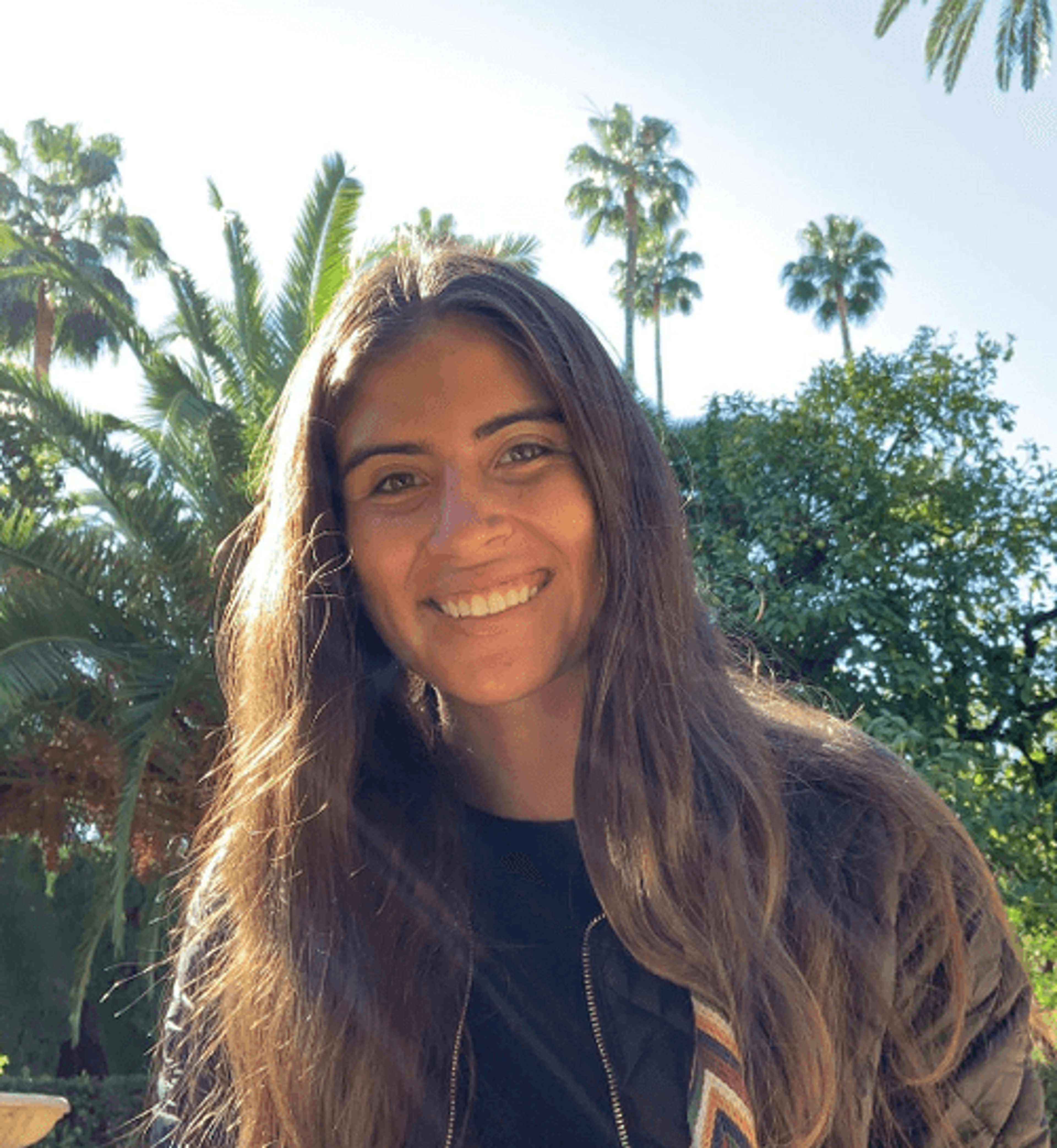
Nikole Gualdron Chaparro
Project Manager & Travel Coordinator
Nikole is a diver and marine conservationist at heart, from Bogota, Colombia, and has an education in biology. Nikole is also passionate about educating others and has experience in conservation of bottlenose dolphins in the Mediterranean in Sardegna, Italy. We are proud to have such a kind and dedicated to develop the Reef Ranger program for travel and training for Open Coral AI.

Yohan Runhaar
Co-Founder & CTO
Yohan is a computer scientist with an affinity for artificial intelligence and big data, and is the CTO and lead developer for Reef Support's AI and software tools. Having grown up around the globe, and having been exposed to various ecosystems, he is passionated about applying technology to help nature. At Reef Support he is in charge of developing novel solutions for marine research.
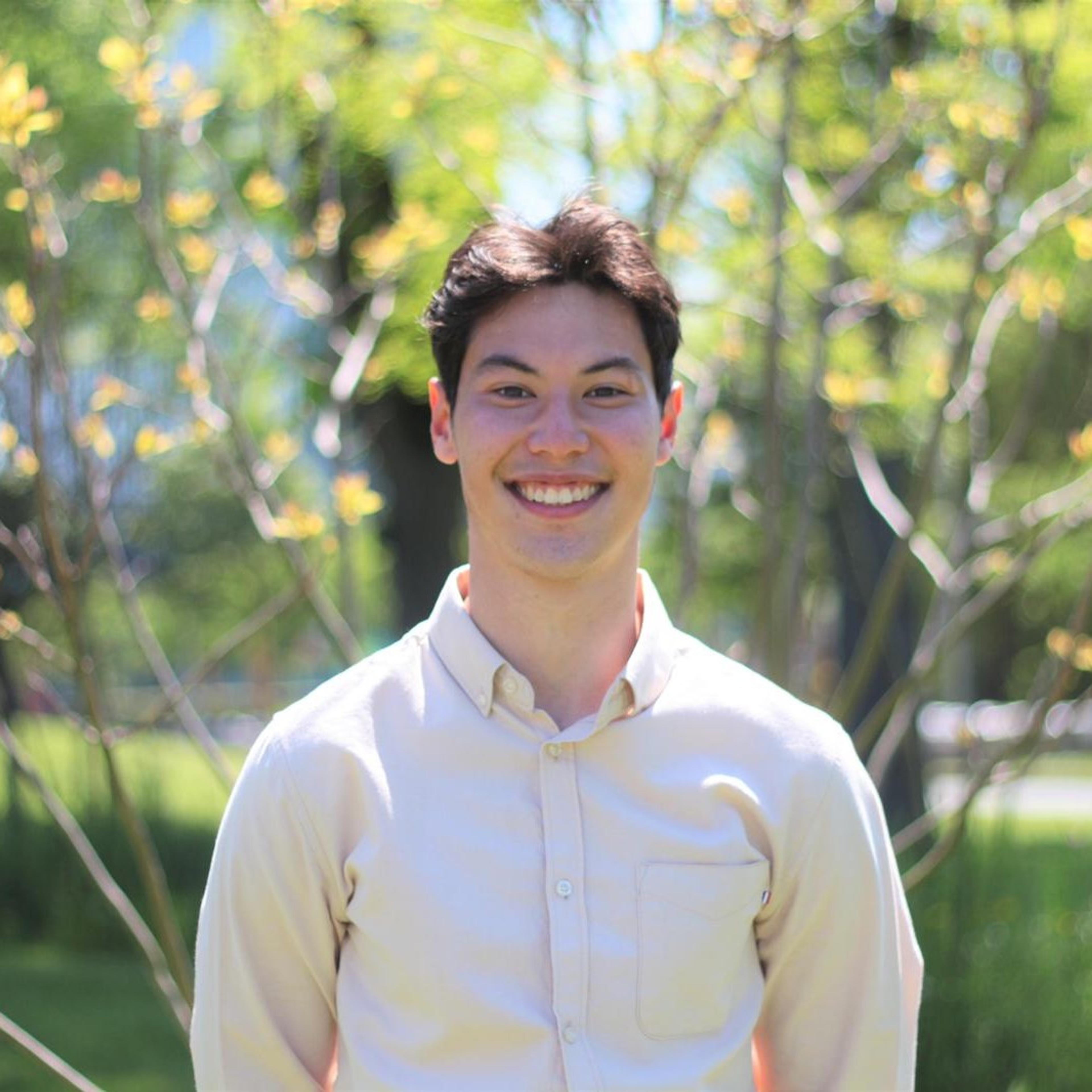
Marcel Kempers
Co-Founder & Director
Marcel is a serial social entrepreneur with the personal mission of bringing nature-based solutions and an international outlook to local communities. After spending a period of his life in the Caribbean, he saw how threatened our marine ecosystems are, he has found that sustainable travel and the technology to connect people can really make an impact on reef conservation in this decade.

Sofía Pareja Galindo
Community Manager
Sofía is in charge of our Reef Ranger community. She is a passionate diver and graphic designer, graduated from Universidad del Norte in Barranquilla, Colombia. She is convinced that graphic design is one of the most powerful tools to make visible everything that contributes to the construction of a better, more sensitive, more empathic and a more sustainable world.
Coastal habitats such as seagrasses and mangroves help to regulate our atmosphere, sequestering and storing 'blue carbon'. These habitats also help protect coastal communities from extreme weather events. Through these actions, coastal habitats contribute to national commitments by supporting communities in mitigating and adapting to climate change.
Learn more: SDG 13 Climate Action
Marine and coastal habitats such as warm and cold-water corals, mangroves, saltmarshes, and seagrasses contain a disproportionately high amount of marine biodiversity. Despite occupying less than 1% of the ocean, coral reefs host around 25% of marine species, critical for a thriving, life-supporting ocean.
Learn more: SDG 14 Life Below Water
Mangroves, saltmarshes, seagrasses, and coastal reefs often sit where land meets sea and underpin both realms. Many species rely on both terrestrial and marine habitats, and people living on land depend heavily on healthy coastal and marine ecosystems.
Learn more: SDG 15 Life on Land